



Best Hijab Colors for Your Skin Tone: Find Your Perfect Match
Choosing the right hijab color can make a big difference to your overall appearance. The right shade can brighten your face, make your skin look healthier, and complement your outfit effortlessly. On the other hand, some colors may make your complexion look dull or washed out.
But how do you know which scarf or hijab colors suit you best?
The easiest way is to understand your skin tone and undertone. Whether you have fair, medium, tan, or deep skin, there are plenty of beautiful hijab colors that can enhance your natural complexion.
Skin Tone vs. Skin Undertone: What’s the Difference?
Before choosing a hijab color, it helps to understand the difference between skin tone and skin undertone.
Your skin tone refers to the overall color of your skin. It can generally be described as:
- Fair
- Light
- Medium
- Tan
- Deep
Your undertone is the subtle color underneath your skin. It usually falls into three categories:
- Warm undertone – golden, yellow, or peachy
- Cool undertone – pink, red, or bluish
- Neutral undertone – a balance of warm and cool tones
Your undertone can be especially helpful when deciding which hijab colors complement your face.
How to Find Your Skin Undertone
Not sure about your undertone? Try these simple methods.
1. Check Your Veins
Look at the veins on your wrist under natural light.
- Greenish veins usually indicate a warm undertone.
- Blue or purple veins usually indicate a cool undertone.
- If you see both, you may have a neutral undertone.
2. Try Gold and Silver
Think about which jewelry looks more flattering on you.
- Gold tends to complement warm undertones.
- Silver tends to complement cool undertones.
- If both look good, you may have a neutral undertone.
3. Notice How Your Skin Reacts to the Sun
This isn’t a perfect test, but it can provide a clue.
If your skin tends to tan easily, you may lean toward a warm or neutral undertone. If your skin tends to burn or become pink quickly, you may lean toward a cool undertone.
Remember that these are only general guidelines. Lighting, makeup, tanning, and genetics can all affect how your skin appears.
Now let’s look at some scarf colors that can beautifully complement different complexions.
Best Hijab Colors for Different Skin Tones
1. Fair Skin Tone
If you have fair skin, soft and slightly deeper colors can create a beautiful contrast without overpowering your complexion.
Colors to Try:
- Dusty pink
- Rose
- Mauve
- Lavender
- Sage green
- Soft blue
- Navy
- Burgundy
- Taupe
- Chocolate brown
Pastel shades can also look elegant, especially when paired with a slightly darker outfit.
Colors to Be Careful With
Very pale beige, extremely light yellow, or shades that closely match your skin may sometimes make your complexion look washed out.
However, if you love neutral colors, try choosing a shade that is slightly darker or more saturated than your skin.
2. Medium or Light-Medium Skin Tone
Medium skin tones are generally very versatile and can work with a wide range of hijab colors.
Colors to Try:
- Terracotta
- Olive green
- Mustard
- Rust
- Dusty rose
- Teal
- Emerald green
- Navy
- Burgundy
- Caramel
- Mocha
- Cream
Earth tones can look particularly beautiful on medium complexions because they create warmth without overwhelming the face.
For everyday wear, shades such as mocha, olive, dusty rose, and taupe are easy to style with different outfits.
3. Tan or Golden Skin Tone
Tan or golden complexions often look stunning with rich, warm, and earthy colors.
Colors to Try:
- Camel
- Caramel
- Terracotta
- Rust
- Mustard
- Olive
- Forest green
- Chocolate brown
- Burgundy
- Deep teal
- Cream
- Warm beige
If you want your hijab to make your complexion look brighter, try contrasting warm neutrals with deeper shades.
For example, a cream hijab with a brown outfit can create a soft and sophisticated look.
4. Deep Skin Tone
Deep skin tones can beautifully carry both vibrant and rich colors. Strong contrasts can make the complexion look radiant and elegant.
Colors to Try:
- Emerald green
- Royal blue
- Cobalt blue
- Burgundy
- Plum
- Fuchsia
- Mustard
- Orange
- Terracotta
- Ivory
- Cream
- Chocolate brown
Jewel tones are particularly eye-catching and can create a beautiful contrast around the face.
Don’t be afraid to experiment with brighter colors. A vibrant scarf can become the statement piece of your entire outfit.
Best Hijab Colors According to Undertone
Your undertone can help narrow down your choices even further.
Warm Undertone
If you have a warm undertone, colors with yellow, golden, orange, or earthy qualities can complement your complexion.
Try:
- Mustard
- Camel
- Rust
- Terracotta
- Olive
- Warm beige
- Cream
- Chocolate brown
- Coral
- Peach
These shades can enhance the natural warmth of your skin.
Cool Undertone
Cool undertones tend to work well with colors that have blue, purple, or pink qualities.
Try:
- Lavender
- Lilac
- Dusty pink
- Rose
- Berry
- Plum
- Burgundy
- Navy
- Sapphire blue
- Cool grey
These shades can create a fresh and balanced appearance.
Neutral Undertone
If you have a neutral undertone, you have plenty of options because you can often wear both warm and cool shades.
Try:
- Dusty rose
- Taupe
- Navy
- Emerald
- Burgundy
- Sage
- Mocha
- Cream
- Mauve
- Soft pink
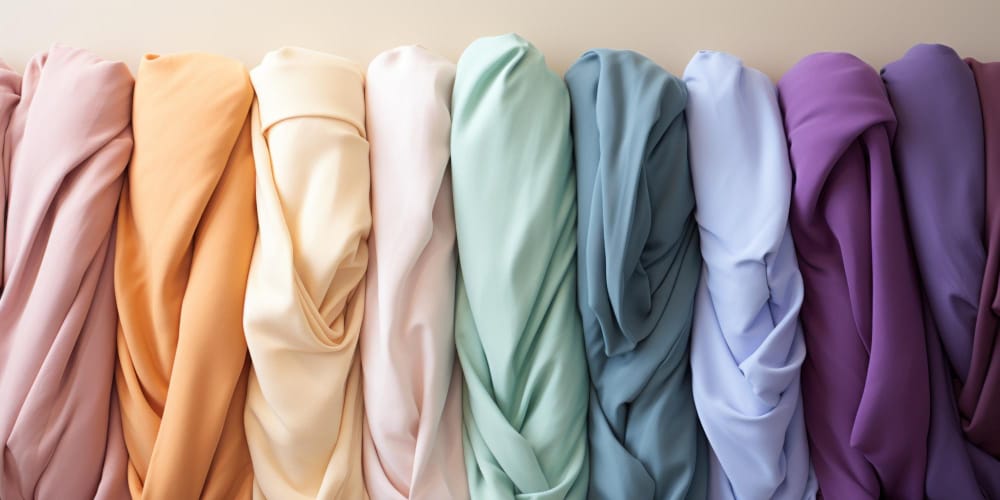
This versatility makes it easier to experiment with different hijab styles and colors.
What About Black and White Hijabs?
Black and white are classic hijab colors, but they can create very different effects.
Black
Black is versatile, elegant, and easy to match. It can create strong contrast around the face and works well for both casual and formal outfits.
White
Pure white can sometimes look very bright around the face. If it feels too harsh, try softer alternatives such as:
- Ivory
- Cream
- Off-white
- Ecru
- Champagne
These shades can give you the clean look of white while appearing softer against the skin.
Don’t Forget About Your Outfit
Choosing a hijab color isn’t only about your skin tone. Your clothes, makeup, accessories, and the occasion also matter.
For example:
For everyday wear:
Try neutral shades such as taupe, mocha, beige, olive, or dusty rose.
For work:
Navy, chocolate, grey, burgundy, and muted earth tones can create a polished appearance.
For weddings or special occasions:
Consider emerald, plum, champagne, burgundy, rose, or jewel tones.
For casual outfits:
Experiment with pastel colors, soft neutrals, or brighter shades.
How to Choose a Hijab Color That Makes Your Face Look Brighter
If you’re unsure which color to choose, hold the scarf close to your face under natural daylight.
Ask yourself:
- Does my skin look brighter?
- Does the color make my complexion look dull?
- Does it emphasize dark circles?
- Does my face look fresh and healthy?
- Does the color complement my eyes and natural features?
If a color makes your face look naturally brighter without needing much makeup, it’s probably a good choice.
Don’t Be Afraid to Break the Rules
Skin-tone guides are useful, but they aren’t strict rules.
You don’t have to avoid a color simply because it isn’t traditionally recommended for your skin tone. Personal style is just as important.
If you love a particular shade, try changing the intensity or undertone of that color.
For example, if pale beige makes your face look washed out, try:
- Caramel
- Camel
- Mocha
- Taupe
- Warm beige
Instead of avoiding the color completely, find a variation that works better for you.
Final Thoughts
The best hijab color is ultimately the one that makes you feel confident and comfortable.
Understanding your skin tone and undertone can give you a helpful starting point, but don’t be afraid to experiment. Try different shades, compare them under natural lighting, and see which colors make your complexion look its best.
Whether you prefer shawls, square scarves, bawal, or other hijab styles, having a selection of flattering colors in your wardrobe can make getting dressed much easier.
Start with a few versatile shades such as mocha, dusty rose, olive, navy, cream, and burgundy, then gradually experiment with colors outside your usual comfort zone.
After all, hijab fashion is not just about following color rules — it’s about finding colors that reflect your personality, style, and confidence.
